
UMD and George Mason transfer one gait policy across quadrupeds
What happened
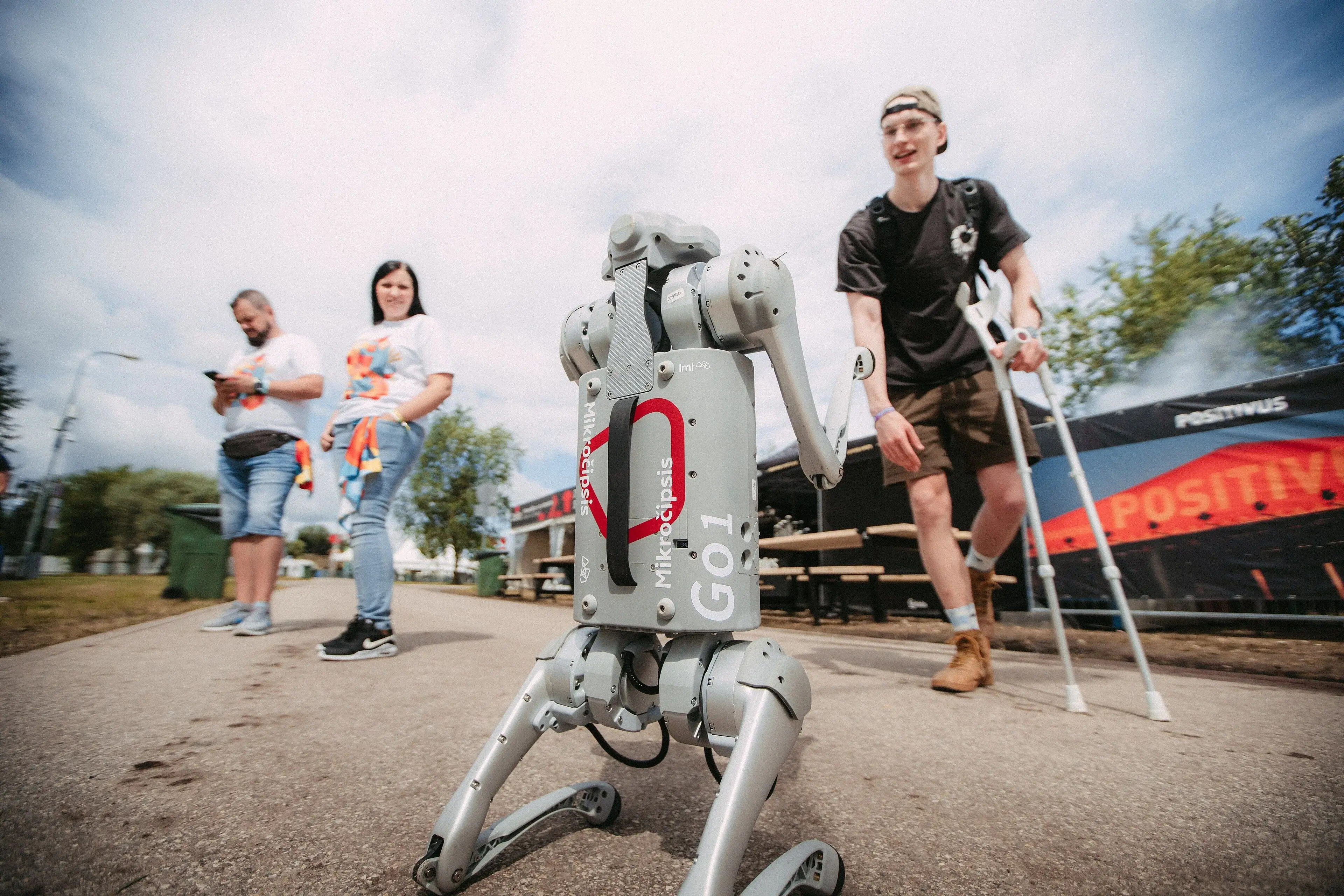
The university reports that the MorFiC policy produced the highest forward speed among the compared methods on five of seven simulated platforms. In 10 real-robot trials, the Go1 moved indoors and outdoors at about 1.4 to 1.7 meters per second and completed more than 80% of its runs without freezing or gait failure; the Go2 was slower and failed more often under the team's setup.
Why it matters
The work demonstrates some zero-shot transfer between related quadruped bodies, including physical tests, but it is not a universal controller. Performance dropped as target designs diverged from the training robot, and the policy did not produce effective movement on the heavier B1 or the more dissimilar ANYmal platform.
Source checked October 31, 2026. Status describes the evidence in the linked source at the time of review.