RobotMe
RobotMe / AI & Autonomy

AI & Autonomy

The intelligence and sensing behind autonomous machines.

Last successful news refresh: Oct 31, 2026, 7:01 AM PDT · Scheduled daily at 7:00 AM Pacific

Stories

9 stories
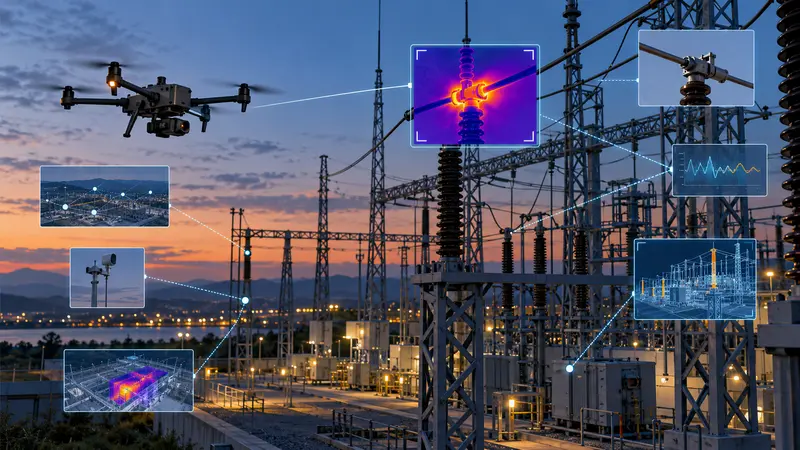
Editorial illustration of an autonomous inspection drone linking thermal and sensor findings across an electrical substation.
AI-generated illustration · AI illustration
AI & Autonomy · Summary

Percepto launches Axion AI platform to unify inspection data analysis

Percepto has launched Axion, a software-as-a-service platform intended to analyze inspection data from supported third-party drones, fixed and mobile sensors, existing archives, and Percepto's own autonomous systems. The company says Axion organizes findings by asset, relates anomalies to equipment context and inspection history, and lets operators query their data in plain language.

The Robot Report · Published Oct 30, 2026
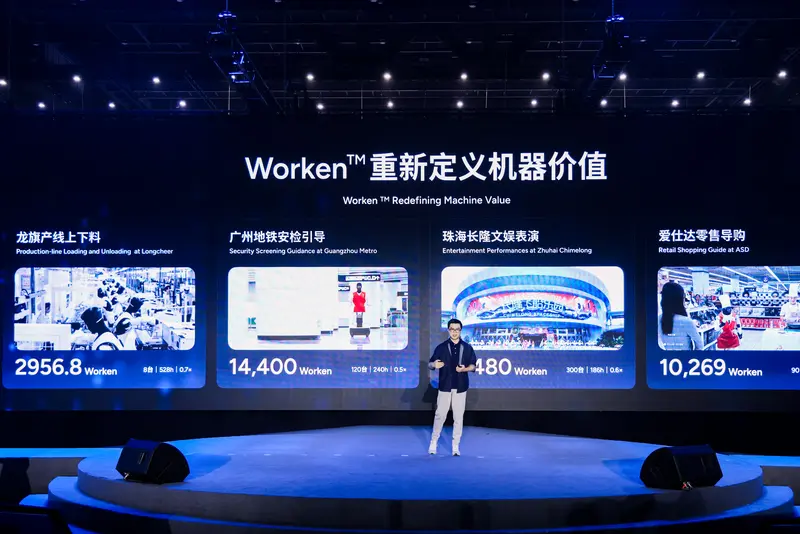
AGIBOT co-founder Peng Zhihui presenting the Worken productivity framework on stage at AGIBOT Innovation Day 2026.
AGIBOT Innovation Day 2026 · company press photograph · AGIBOT
AI & Autonomy · Summary

AGIBOT introduces Worken to measure robot productivity at AGIBOT Innovation Day 2026

AGIBOT introduced Worken, a proposed measure of productive robot work, at its October 29 Innovation Day in Shanghai. The company defines the metric as active robots multiplied by autonomous working hours and an output-efficiency ratio. The idea is to distinguish robots merely built or powered on from machines completing acceptable work with limited intervention.

The Robot Report · Published Oct 29, 2026
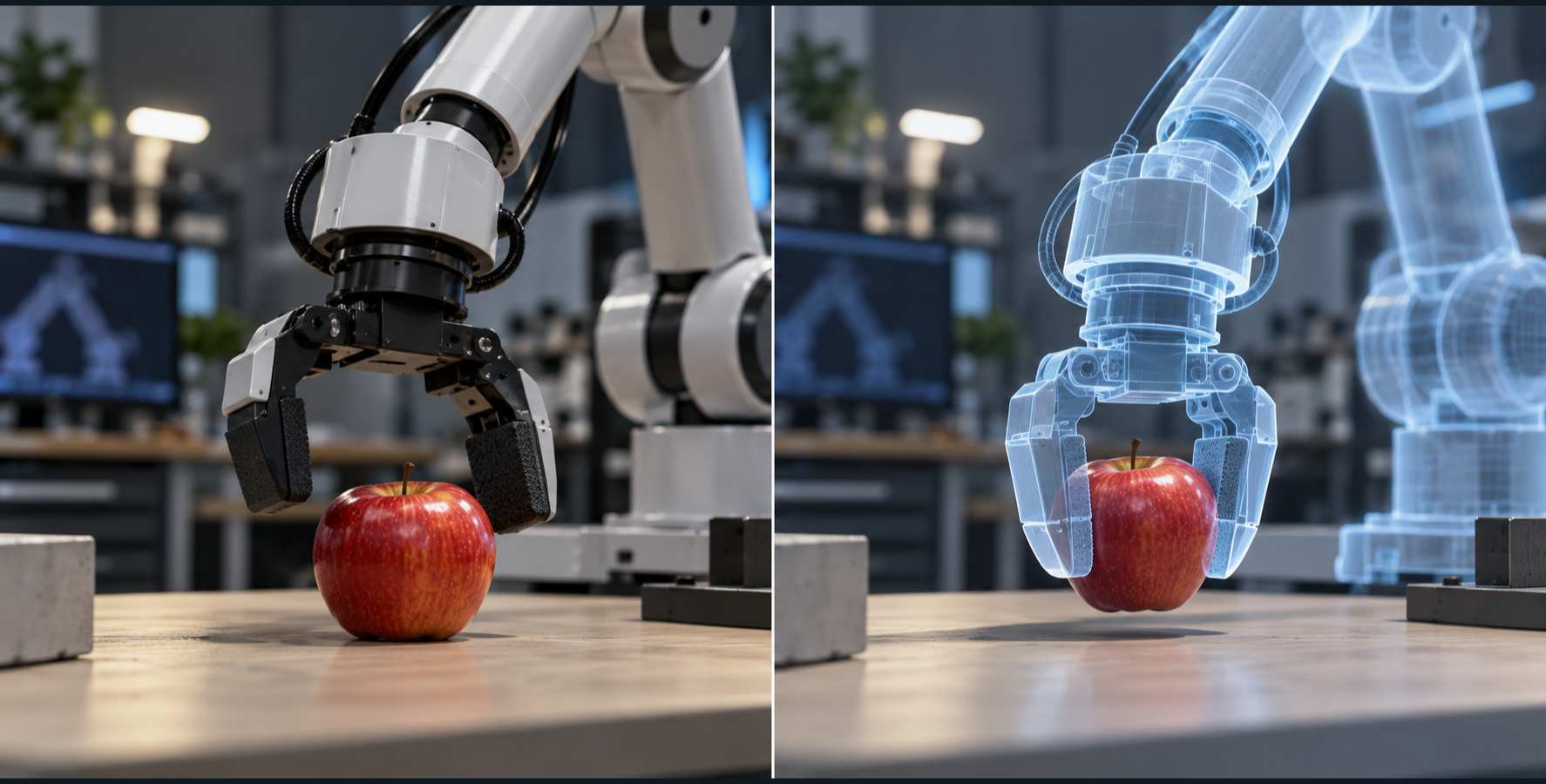
Illustration comparing a robot gripper missing an apple with a model prediction of a successful grasp.
AI-generated illustration · AI illustration
AI & Autonomy · Summary

WorldOracle Tests Whether World Models Can Reliably Predict Real-World Executions

WorldOracle is a research benchmark that compares a robot world model’s predicted outcome with a recorded real-world attempt starting from the same observation and action sequence. It tests whether the prediction gets physical outcomes, object positions, key interaction details, and multiple camera views right, including when a grasp fails. In experiments with seven models, the researchers found different failure patterns; the paper is a preprint, not proof that any model can safely control a robot.

The Robot Report · Published Oct 28, 2026
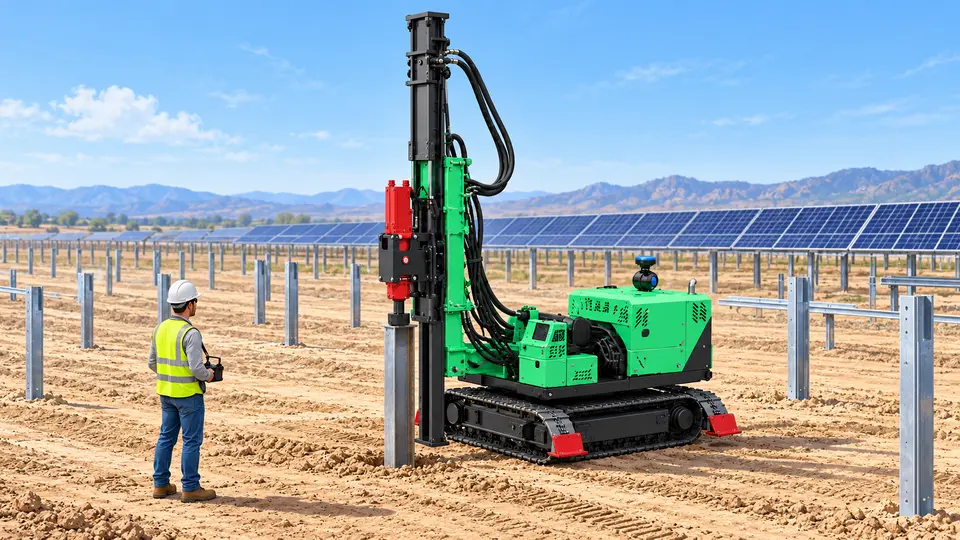
Illustration of a tracked autonomous pile-driving machine installing a steel post at a utility-scale solar construction site.
AI-generated illustration · Created with OpenAI image generation for RobotMe
AI & Autonomy · Summary

Xpanner launches autonomous pile driver for solar farm contruction

Xpanner introduced the X1 Piling R6, a tracked system designed to drive posts at utility-scale solar and battery-storage sites under the supervision of one operator. The company lists a 97-kilowatt engine, piles up to 23 feet long, and a maximum driving depth of 15.7 feet, while its software records position, depth, and plumb for each installation. These specifications and productivity benefits are company claims from a product launch, not independently measured field results.

The Robot Report · Published Oct 27, 2026
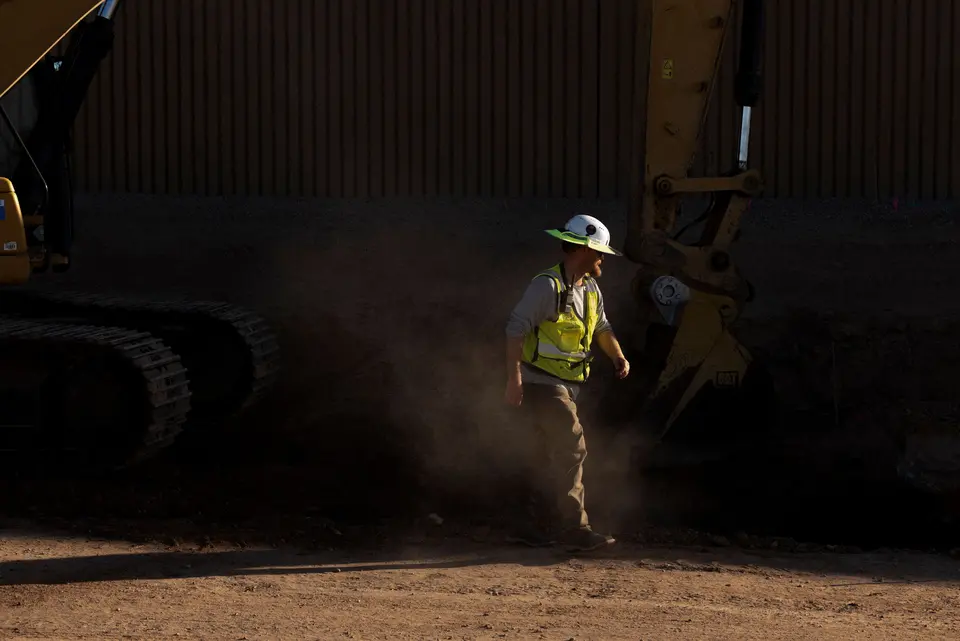
A construction worker standing beside a large excavator at an active earthmoving site.
Related company media photo · Bedrock Robotics
AI & Autonomy · Summary

Bedrock Robotics nears $1B in total funding as demand for autonomous heavy equipment surges

Bedrock Robotics says it raised $600 million in Series C funding at a $4.1 billion valuation, bringing its total funding to nearly $1 billion. The company is expanding autonomous excavator deployments and says it aims to have a triple-digit number of machines working across the U.S. in 2027, while exploring trenching and other equipment types. The funding and deployment plans are company-reported; the article does not provide independent performance or return-on-investment measurements.

The Robot Report · Published Oct 26, 2026
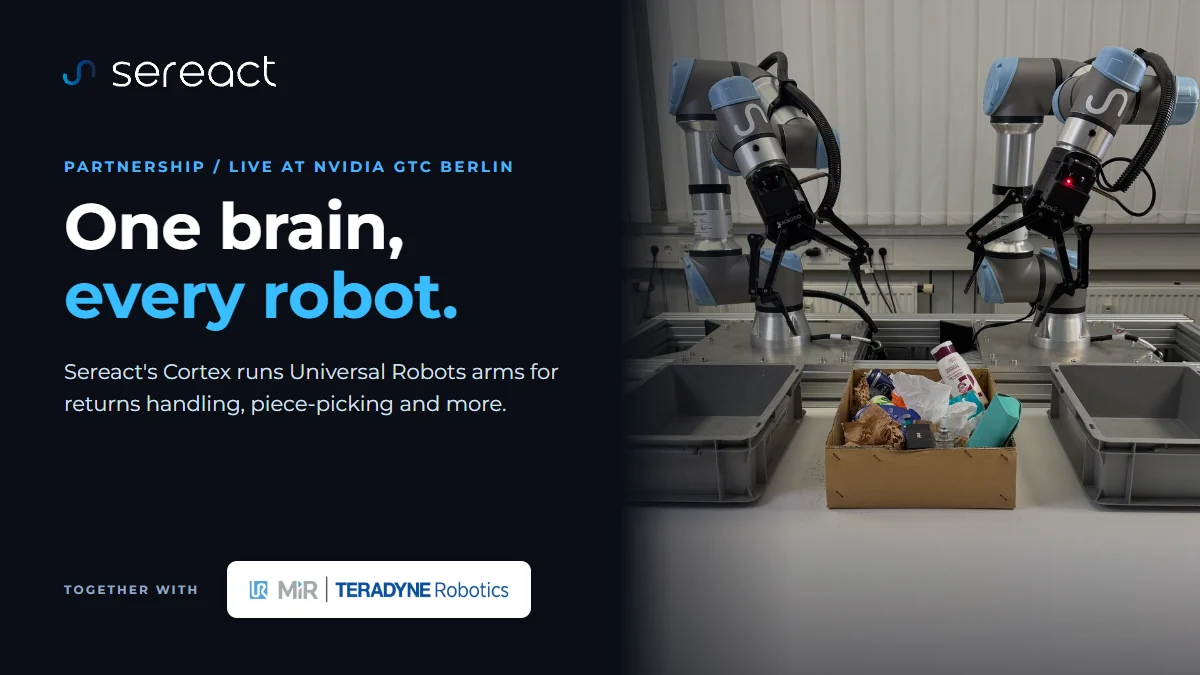
Sereact and Universal Robots dual-arm returns-handling setup with the partnership announcement graphic.
Source article image · Sereact
AI & Autonomy · Summary

Teradyne Robotics partners with Sereact to scale physical AI in retail and logistics

Teradyne Robotics and Sereact are pairing Universal Robots arms with Sereact’s Cortex software for variable retail, logistics, and manufacturing tasks. The companies say hundreds of arms are already installed in dual-arm systems at European customer sites, including CEVA Logistics operations that process Zalando returns in Germany and Poland. Those deployment counts and performance descriptions come from the partners, while expansion into North America remains a plan.

The Robot Report · Published Oct 25, 2026
Eka Robotics’ official announcement photograph of a robotic gripper manipulating a lit object.
Source article image · Eka Robotics
AI & Autonomy · Summary

Eka Robotics raises $150M to scale its vision-force-action model for robots

Eka Robotics says it raised $150 million in Series A funding to expand its vision-force-action model and customer deployments. The company trains robots in simulation using reinforcement learning to handle varied objects and tasks, then transfers those skills to physical machines. Its reported speed and ability to generalize are company claims rather than independently verified results in the article.

The Robot Report · Published Oct 24, 2026
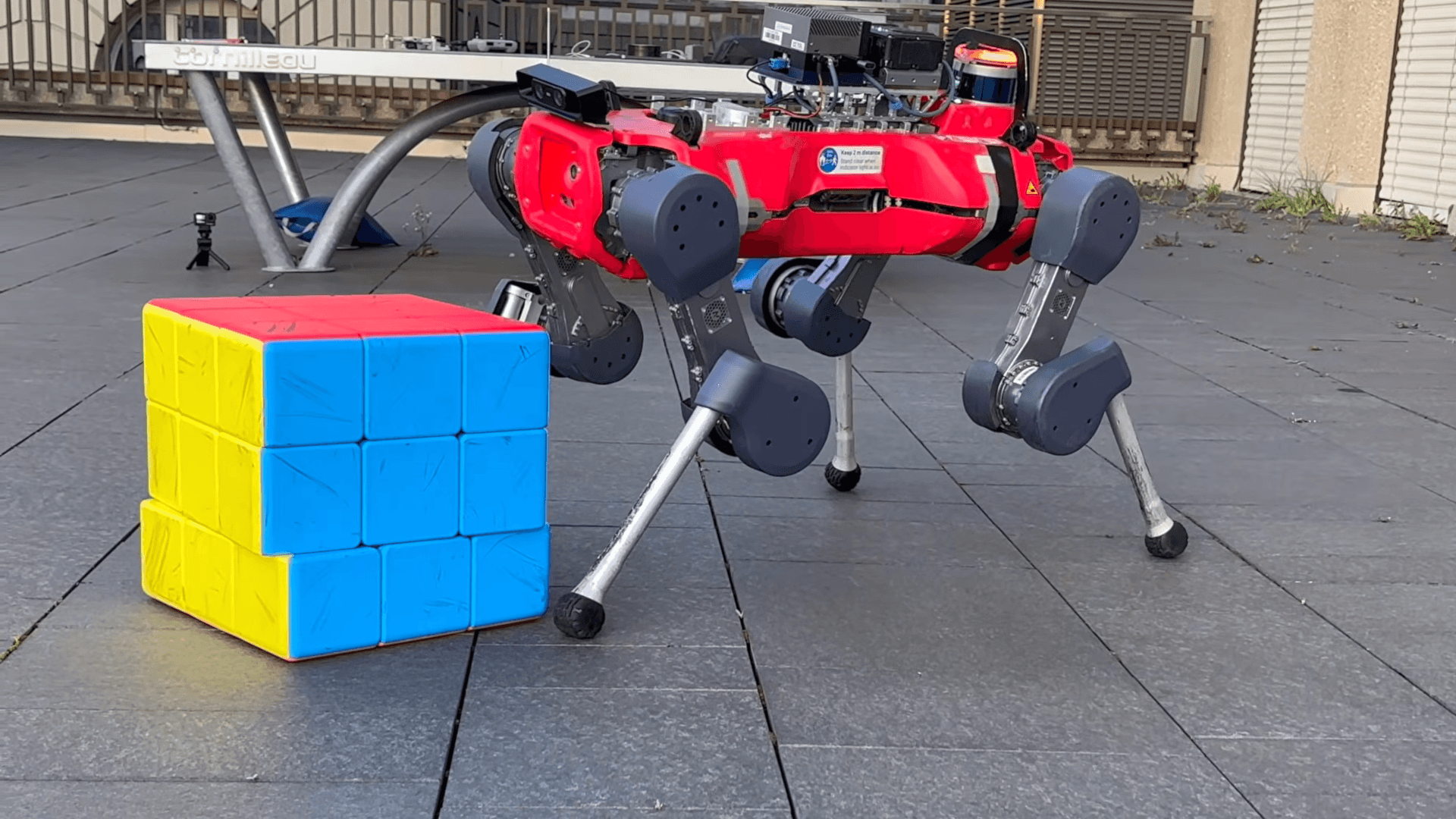
Red ETH Zurich quadruped stands beside a giant Rubik’s Cube.
Source article image · ETH Zurich RSL
AI & Autonomy · Summary

Video Friday: Quadruped Robot Solves Giant Rubik’s Cube by Itself

IEEE Spectrum’s Video Friday roundup features a quadruped using its feet to solve a Rubik’s Cube autonomously. The post also collects other robotics clips and brief editorial comments; it is a video roundup rather than a single research report. Watch the source page for the demonstration and the other featured projects.

IEEE Spectrum Robotics · Published Oct 23, 2026
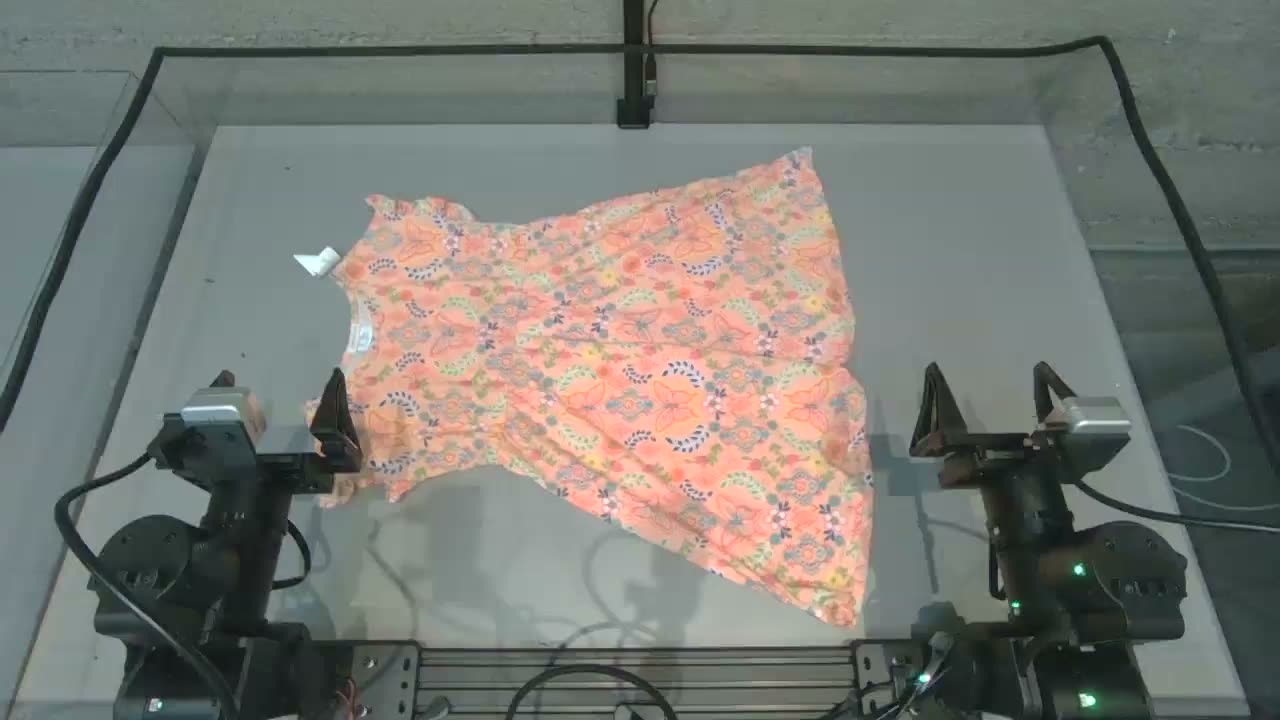
Two robot grippers manipulate a patterned cloth in a Dream Labs Dream-1 demonstration.
Dream-1 demonstration · Dream Labs
AI & Autonomy · Summary

Dream Labs raises $90M and launches Dream API

Dream Labs says it raised $90 million in seed funding and opened Dream API, which turns camera input and written instructions into robot actions. Its Dream-1 model is intended to transfer skills across different robots, beginning with gripper-equipped machines and tabletop tasks. Claims that it can control unfamiliar hardware without task-specific training come from the company and remain to be tested broadly by users.

The Robot Report · Published Oct 22, 2026