
MIT · Autonomous navigation
MIT tests collision-avoidance planning for drones in unknown spaces
What happened
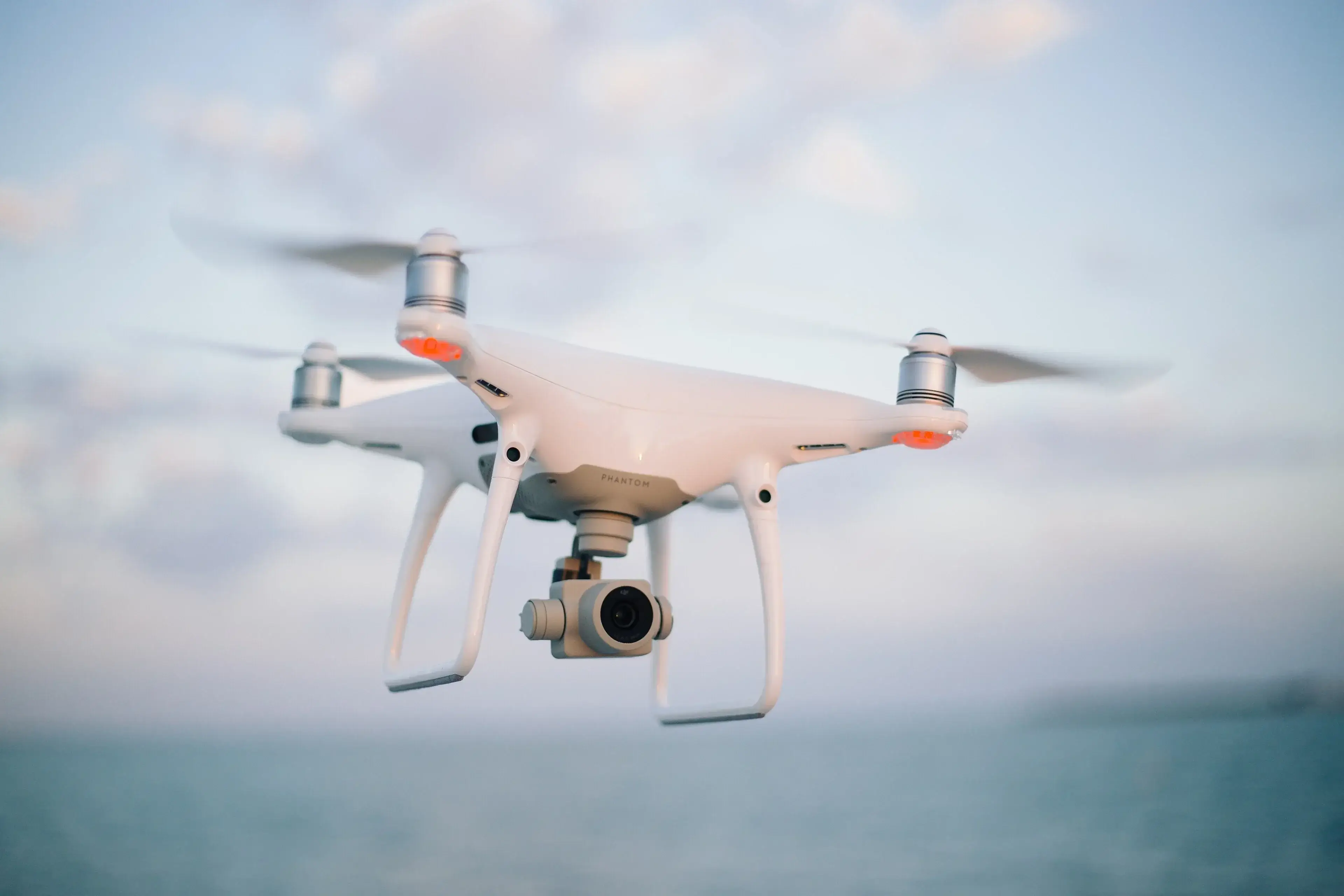
The researchers proved the planner's safety under its assumptions, reported faster goal completion than comparison systems in simulation without collisions, and avoided every dynamic obstacle across 12 physical drone test flights using onboard sensing and computing.
Why it matters
The work combines formal analysis with hardware testing rather than reporting simulation alone. The guarantee depends on assumptions including an upper bound on obstacle speed and the system's perception pipeline; the evidence is controlled testing, not a disaster-response or commercial deployment.
Source checked October 31, 2026. Status describes the evidence in the linked source at the time of review.