
University of Michigan + Toyota Research Institute · Human-automation interaction
Michigan tests a haptic steering wheel for shared control
What happened
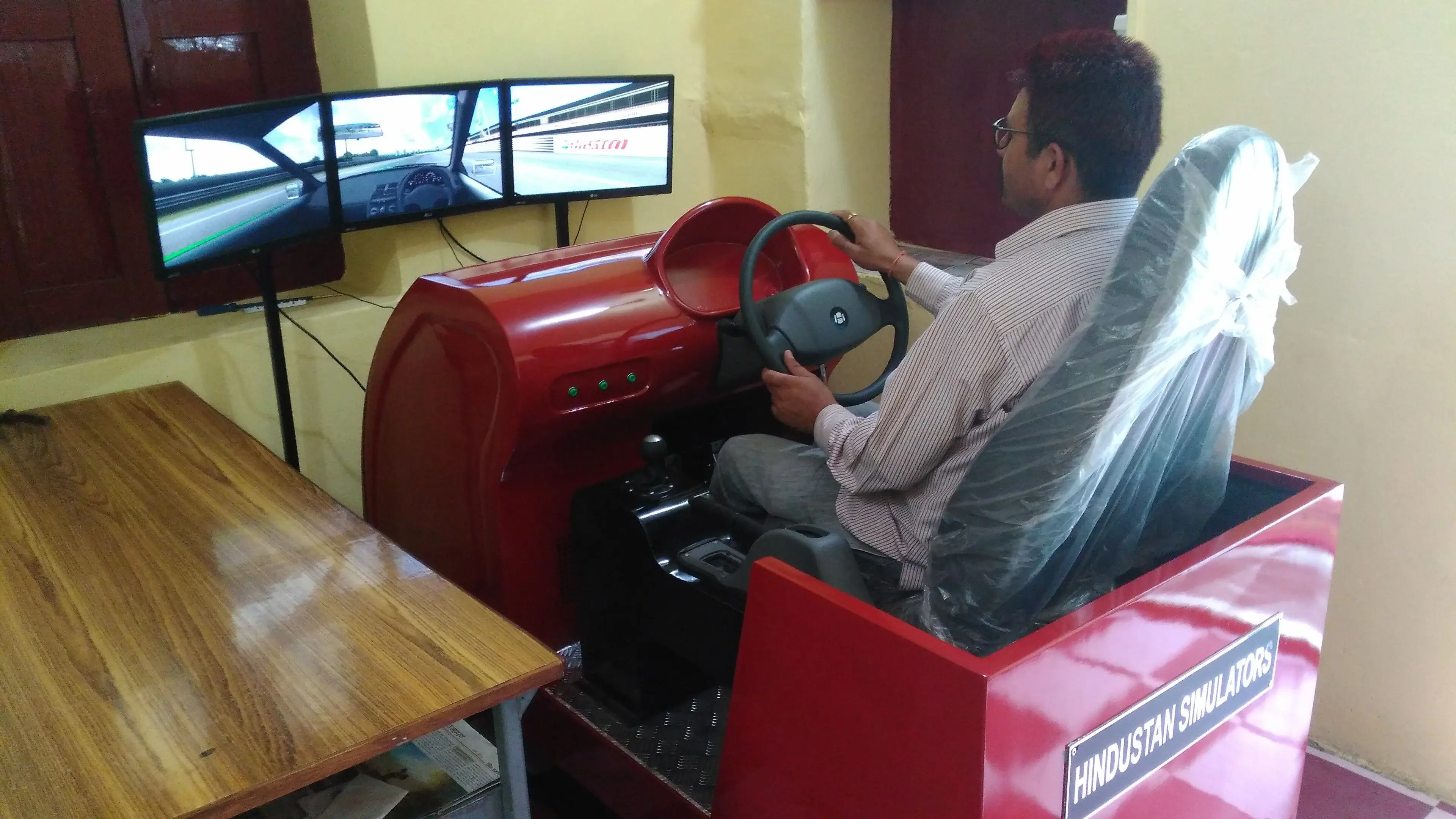
In a simulator, the two-way interface produced smoother, more accurate paths, less braking and lower reported workload than no advance information or one-way intent displays. It also restored trust faster after automation errors, although some participants became overly trusting.
Why it matters
The results suggest a more direct way for people and driver-assistance systems to coordinate. The study used simulated driving, not public-road tests or a production vehicle, and the over-trust finding requires further study.
Source checked October 31, 2026. Status describes the evidence in the linked source at the time of review.